The Legacy Gap: Why EcoClean Guardians is Redefining What "Environmental Nonprofit" Means
Across the country, people are starting to notice something about the environmental nonprofit world: the organizations with the biggest names often move the slowest. It's not intentional, it's structural. Legacy nonprofits were built in an era when long timelines, multilayered committees, and closed-door networks were the norm. Studies on nonprofit operations show that older, more established organizations can take 40–60% longer to implement new initiatives compared to younger, community-driven groups. That's the legacy gap: the widening space between how traditional institutions operate and what communities need today. EcoClean Guardians was created in that gap, and we're proud of it.
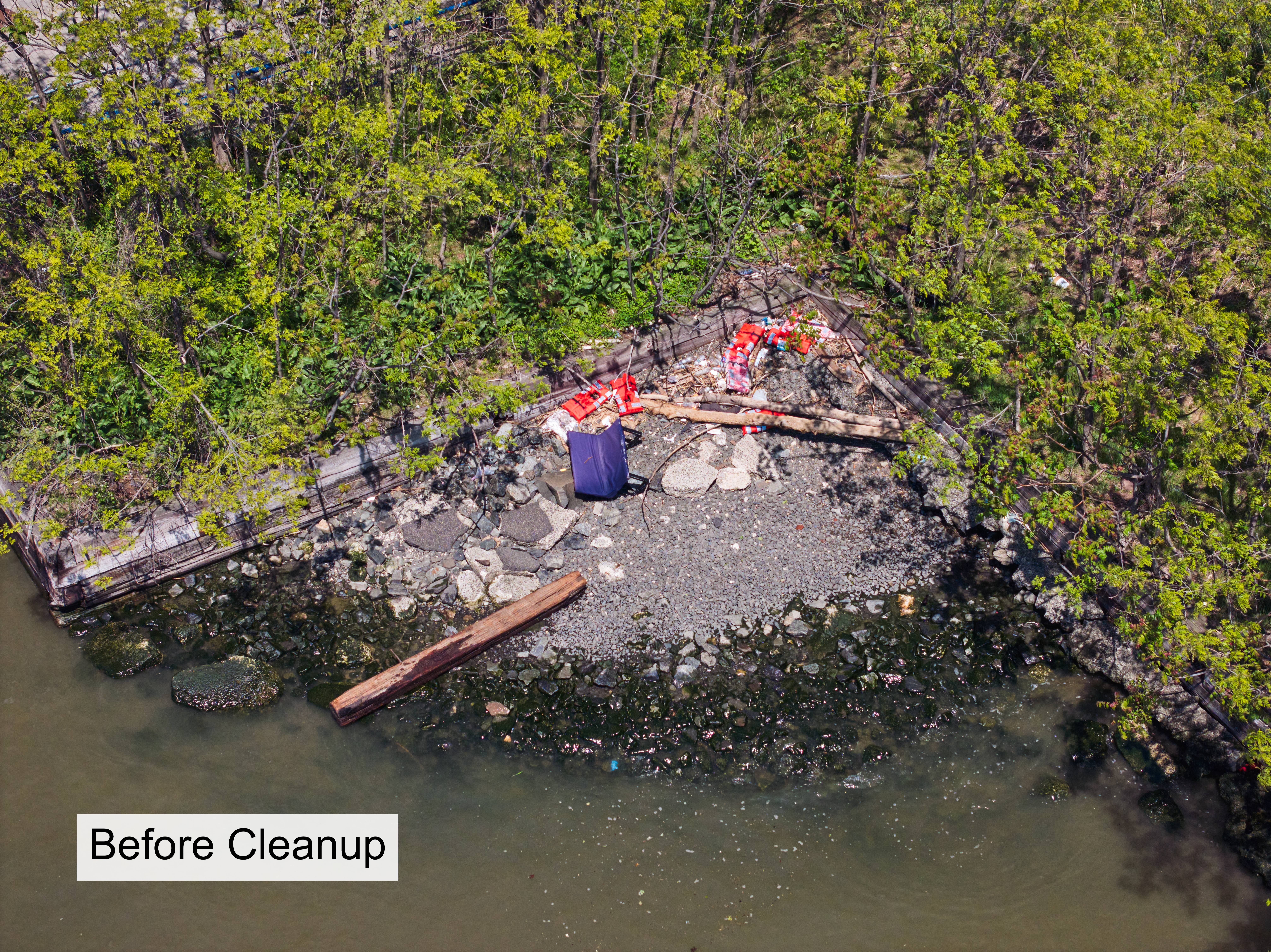
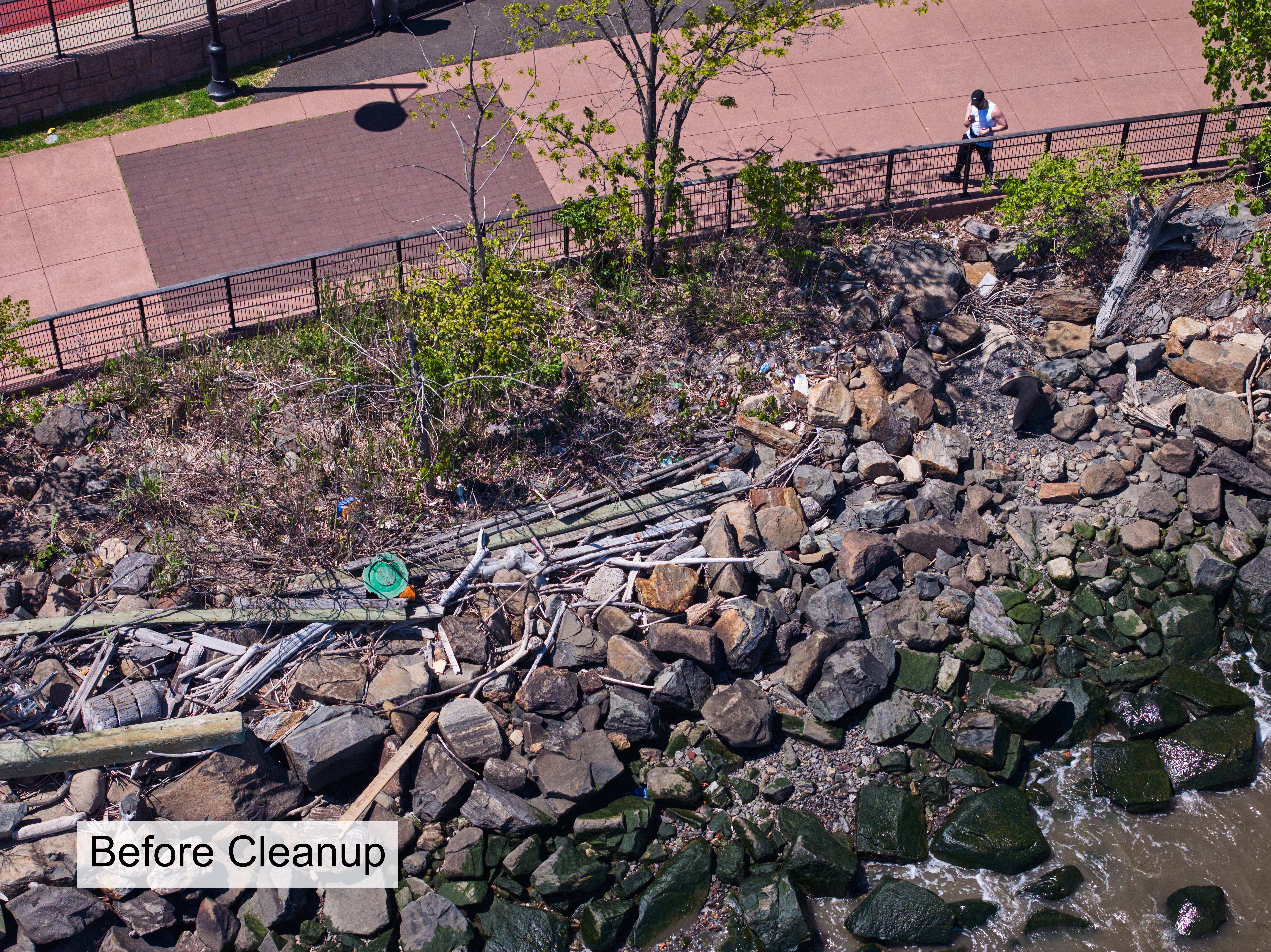
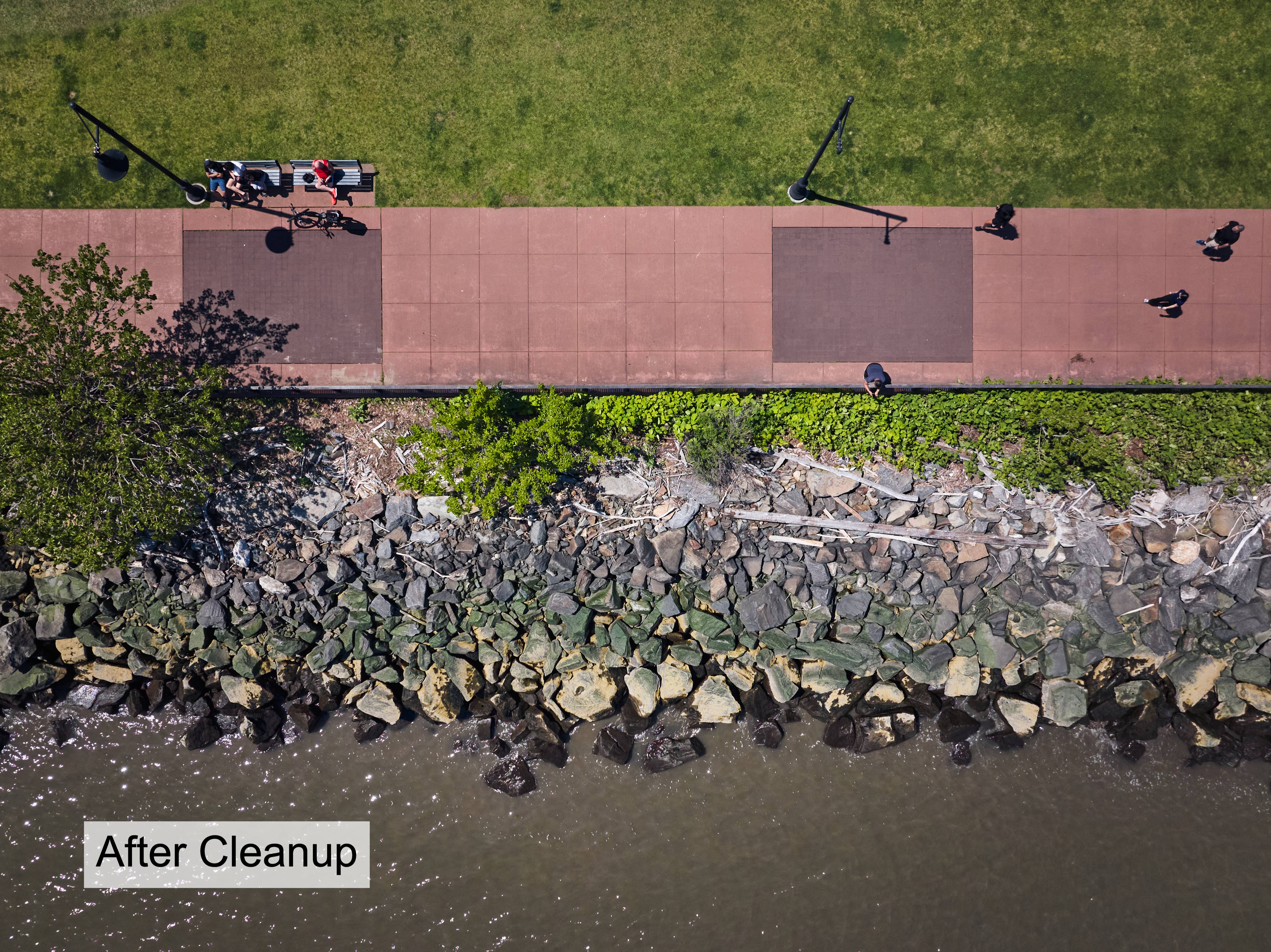
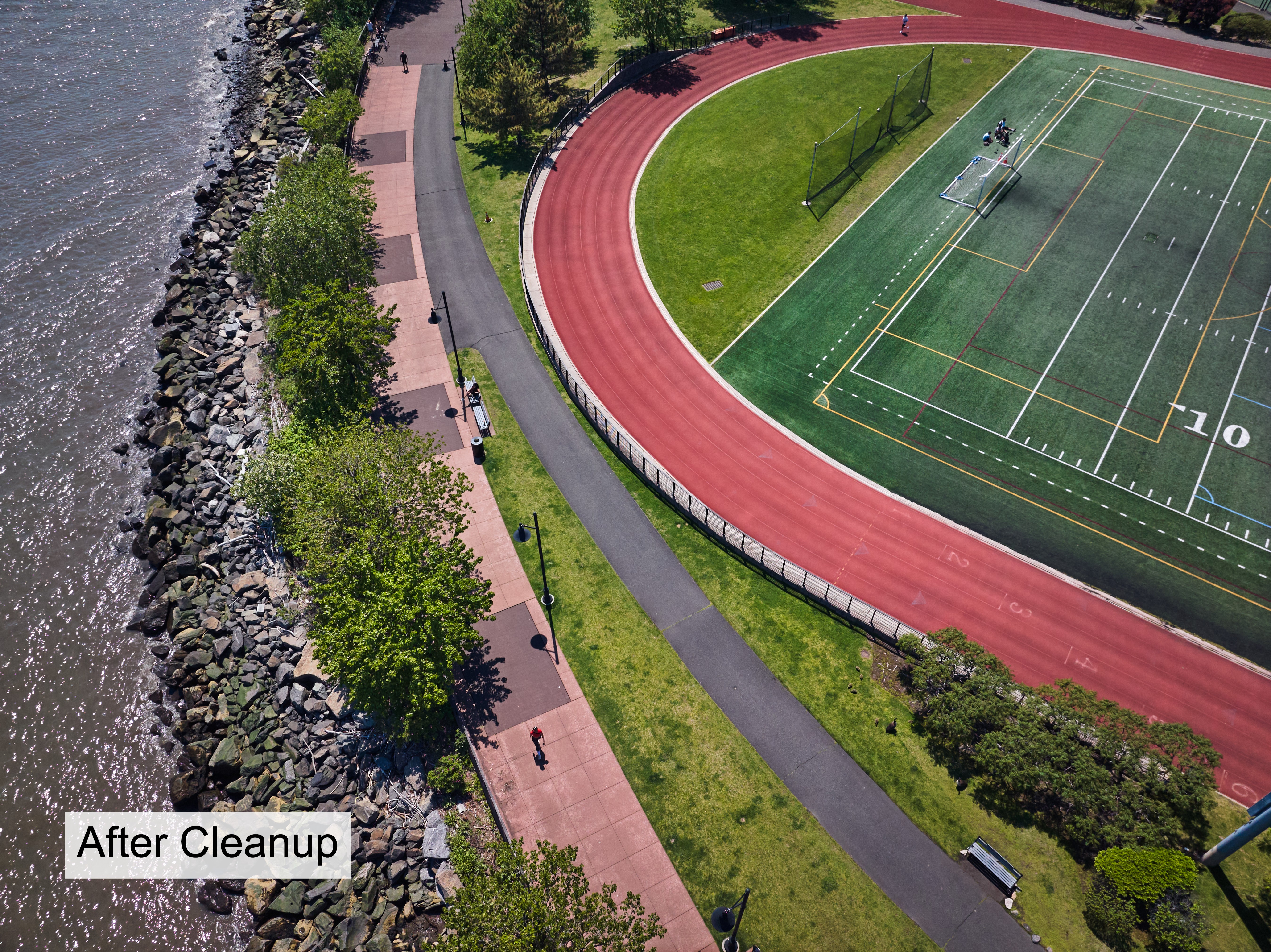
While many legacy organizations are still navigating internal approvals, we're already out in neighborhoods removing litter, activating residents, and documenting visible results. National surveys show that more than 70% of Americans now prefer to support organizations that demonstrate immediate, on the ground action rather than those that rely on long-term planning alone. Communities want to see progress, not wait for it. And that's exactly where ECG thrives.
We're not here to tear down the old guard. Legacy organizations have done important work for decades. But environmental challenges don't move at the pace of a board
meeting. Illegal dumping doesn't pause while a committee reviews a proposal. Neighborhoods don't get cleaner because someone drafted a five year plan. Communities need responsiveness, transparency, and momentum, and they need it now.
That's why EcoClean Guardians isn't waiting for permission, validation, or a seat at anyone's table, and if there's no seat available, we'll bring our own chair. We're not an organization that needs years to prove our worth before being admitted to affiliate networks or approval circles. We don't spend decades packaging impact into long institutional timelines. We prefer to break our work down project by project, neighborhood by neighborhood, showing communities tangible results in real time.
And here's the part that truly sets us apart: we pay residents for the work. Real wages for real labor. Across the U.S., more than 60% of community cleanup efforts rely entirely on unpaid
volunteers, which means the neighborhoods that need help the most often get the least support. Our model flips that dynamic. We hire residents and put them to work improving their own communities. It creates cleaner neighborhoods and economic opportunity at the same time. That dual impact approach is something legacy organizations rarely attempt because their overhead structures simply aren't built for it. Ours is.
EcoClean Guardians operates with intentionally lean overhead, meaning more of every dollar goes directly into labor, equipment, and on the ground action. We don't carry the weight of decades old administrative layers, and we don't believe environmental progress should be slowed down by bureaucracy. Our model is simple: show up, do the work, pay people fairly, and keep communities at the center of every decision.
Research on community-based environmental programs shows that hyperlocal engagement can increase participation by up to 50% and improve long-term neighborhood cleanliness by 30–40%. When residents see action happening right where they live and when they're paid to be part of it, the impact becomes both immediate and sustainable.
As we progress through June, we're exploring how emerging nonprofits like ours are reshaping the sector not by replacing legacy organizations, but by complimenting them, challenging them, and accelerating them. The goal isn't to divide the field. It's to expand it. To push it forward. Proving that environmental work can be fast, local, human, and deeply effective. And if you're a municipality, foundation, corporate partner, or community board looking to collaborate, call us. We'll find a way to work together and make meaningful progress happen.
EcoClean Guardians isn't waiting for the future of environmental work. We're putting people to work and litter in its place.